
Shrink Sleeves for Food Packaging
Shrink Sleeves for Food Containers
Food packaging demands clarity, consistency, and reliable performance across storage, transportation, and retail display. Containers used for food products vary widely in shape and size, ranging from jars and bottles to tubs and containers with curved or tapered profiles. Shrink sleeves are widely used in food packaging because they provide full-body coverage while adapting smoothly to different container geometries.
Once applied and shrunk using controlled heat, the sleeve conforms closely to the container surface, creating a clean and uniform appearance. This allows brands to present product information, nutritional details, and branding clearly without being restricted by limited label space. Shrink sleeves also help maintain visual consistency across multiple pack sizes within the same product range.
For food manufacturers, shrink sleeves offer a practical labeling solution that balances visual presentation with dependable performance during handling, storage, and distribution.

Key Benefits for Food Applications
Clean, edge-free appearance after shrinking
Consistent look across different pack sizes
Reliable performance during storage and handling
Full-body coverage for branding and information display
Adaptable to jars, bottles, and tubs with varied shapes
Why Shrink Sleeves Are Used in Food Packaging
Food containers often need to display a large amount of information, including ingredients, nutritional values, and regulatory details. Shrink sleeves are chosen because they provide uninterrupted surface area for content while maintaining a smooth finish.
They are also suitable for containers with complex shapes that may not accept conventional labels easily. When designed correctly, shrink sleeves remain well-aligned and visually consistent throughout the product lifecycle.
In addition, shrink sleeves allow food brands to refresh designs or introduce limited variants without changing container formats, offering flexibility in packaging strategy.
Common Food Packaging Uses
Shrink sleeves are commonly used for:
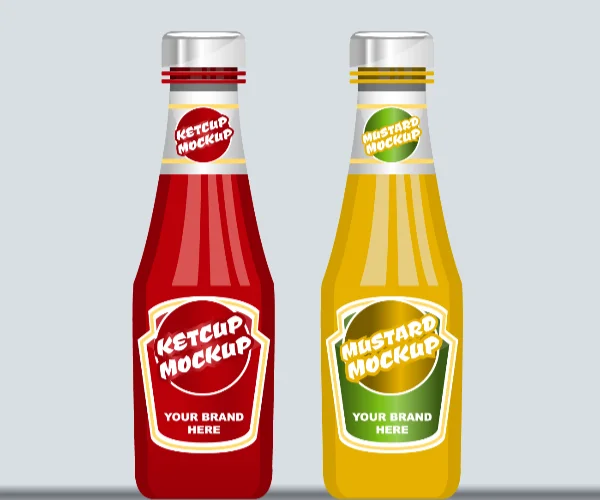
Sauces & Condiments
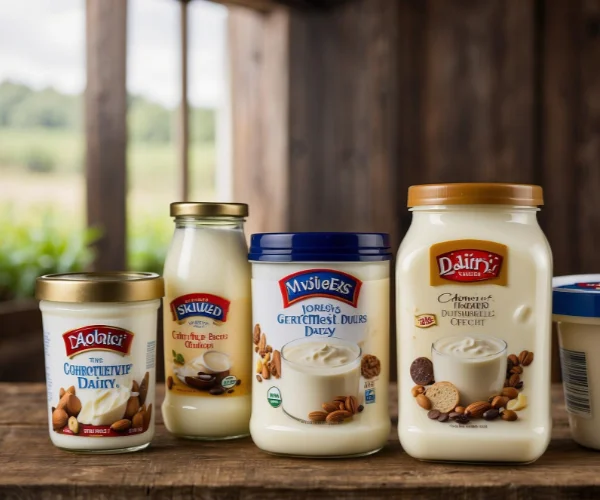
Dairy Products & Beverages
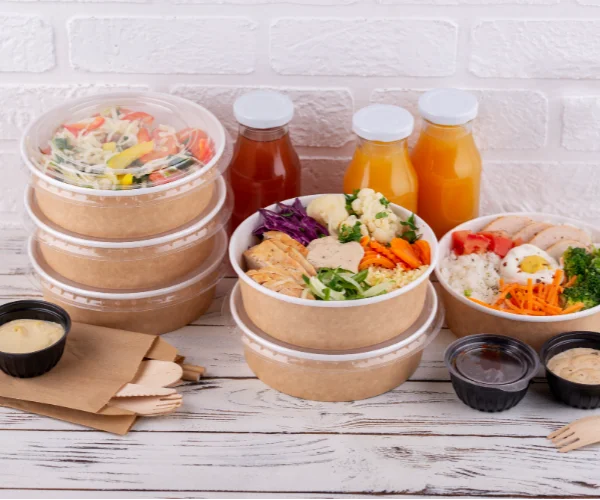
Ready to Eat Food Containers
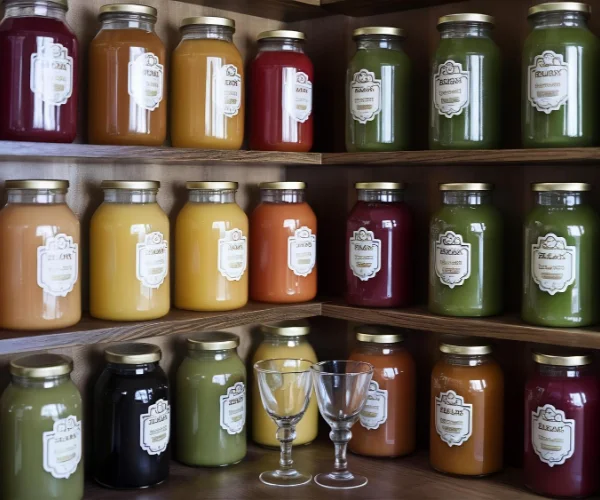
Food Jars & Bottles
Processed & Packaged Food Products
Sleeve specifications are typically developed based on container dimensions, storage conditions, and application requirements.
Application Images
Food Packaging Trends Shaping Modern Packaging Labels
Food packaging continues to evolve as brands focus on improving product visibility, sustainability, and consumer engagement. Modern food packaging labels are no longer limited to product identification, they help communicate brand values, enhance shelf appeal, and create a better buying experience. Shrink sleeve technology supports these evolving packaging requirements by providing full-body decoration, vibrant graphics, and consistent branding.
Packaging Trend | How Shrink Sleeve Labels Add Value |
Sustainable packaging | Supports lightweight and recyclable packaging solutions |
360° product branding | Maximizes branding and product information space |
Smart packaging | Accommodates QR codes and digital consumer engagement |
Premium shelf presentation | Delivers vibrant, high-definition graphics |
Product differentiation | Helps brands stand out in competitive retail environments |
Multi-SKU packaging | Maintains consistent branding across product variants |
These innovations make food packaging labels an important part of modern packaging strategies, helping food manufacturers strengthen brand identity while improving the consumer experience.
How Food Packaging Labels Influence Consumer Buying Decisions
Consumers often notice the packaging before they experience the product. Professionally designed food packaging labels help create a positive first impression by making products look trustworthy, premium, and easy to identify on crowded retail shelves. Clear branding, readable product information, and attractive graphics all contribute to stronger purchase decisions.
Packaging elements that influence buying behaviour
- Clear brand identity and product name
- Vibrant colours and premium print quality
- Easy-to-read nutritional and product information
- Well-positioned barcodes and QR codes
- Attractive packaging that improves shelf visibility
- Durable food container labels that remain clear throughout storage and transportation
By combining visual appeal with durable performance, shrink sleeve labels help food manufacturers build stronger brand recognition, improve consumer confidence, and create packaging that stands out across supermarkets, retail stores, and modern trade channels.
Choosing Food Packaging Labels Based on Product Category
Different food products require different labeling solutions depending on their packaging material, storage conditions, and handling requirements. Selecting the right food container labels helps protect product information, maintain packaging quality, and create a consistent brand image.
Food Category | Recommended Label Features |
Dairy Products | Moisture and condensation resistance |
Juices & Beverages | Full-body shrink sleeves with vibrant graphics |
Sauces & Condiments | Oil and stain-resistant decoration |
Frozen Foods | Labels designed for cold storage conditions |
Snacks & Dry Foods | High-quality branding and product visibility |
Edible Oils | Durable labels with excellent print retention |
Ready-to-Eat Products | Clear product information and barcode readability |
Choosing application-specific food packaging labels ensures long-lasting performance while improving packaging efficiency, product presentation, and retail shelf appeal across different food categories.
Frequently Asked Questions
Can shrink sleeves be used on food containers with curved shoulders?
Yes. Shrink sleeves can be designed to fit containers with curved shoulders or tapered profiles when sleeve dimensions match the container geometry.
Will shrink sleeves remain readable after refrigeration or cold storage?
Shrink sleeves perform reliably under normal refrigeration and cold storage conditions when developed for the intended use.
Does shrink sleeve application affect container sealing?
Shrink sleeves are applied after filling and sealing and do not interfere with container closure when properly designed.
How is mandatory food information handled on shrink sleeves?
Artwork is developed to ensure required information remains clear and legible after shrinking, even on curved surfaces.
Looking to Use Shrink Sleeves for Food Packaging?
Contact Ideal Wrappers to discuss your food container details, sleeve specifications, and sampling requirements.