
Heat Transfer Labels for Lubricant Pails
Heat Transfer Labels for Lubricant Pail Packaging
Lubricant pails are routinely exposed to oils, grease, rough handling, and extended storage conditions across warehouses, workshops, and distribution channels. Because of this, the labeling solution used on lubricant pails must maintain clarity and adhesion despite surface contamination, frequent movement, and heavy handling.
Heat transfer labels are applied directly onto the surface of plastic lubricant pails using controlled heat and pressure. Once transferred, the label becomes an integral part of the container rather than a separate layer applied with adhesive. This results in a smooth, edge-free finish that does not peel, lift, or weaken due to oil contact, an issue commonly faced with conventional adhesive labels.
For lubricant manufacturers, this labeling method helps ensure that branding, product grades, and usage information remain clearly visible throughout the product’s lifecycle. Graphics retain their appearance even when pails are handled with oily hands or stored in demanding environments.
Heat transfer labels are particularly suitable for plastic lubricant pails with smooth and uniform surfaces, where consistent transfer and alignment can be achieved. When developed correctly for the container and application process, this solution provides a durable and long-lasting label that supports both functional performance and professional brand presentation.

Key Benefits for Lubricant Pails
Seamless, no-edge appearance on plastic pails
Better resistance to oils, grease, and handling
Reduced risk of label peeling or lifting
Long-lasting graphics during storage and transport
Cleaner and more professional appearance than adhesive labels
Maintains label clarity and readability
Application Images
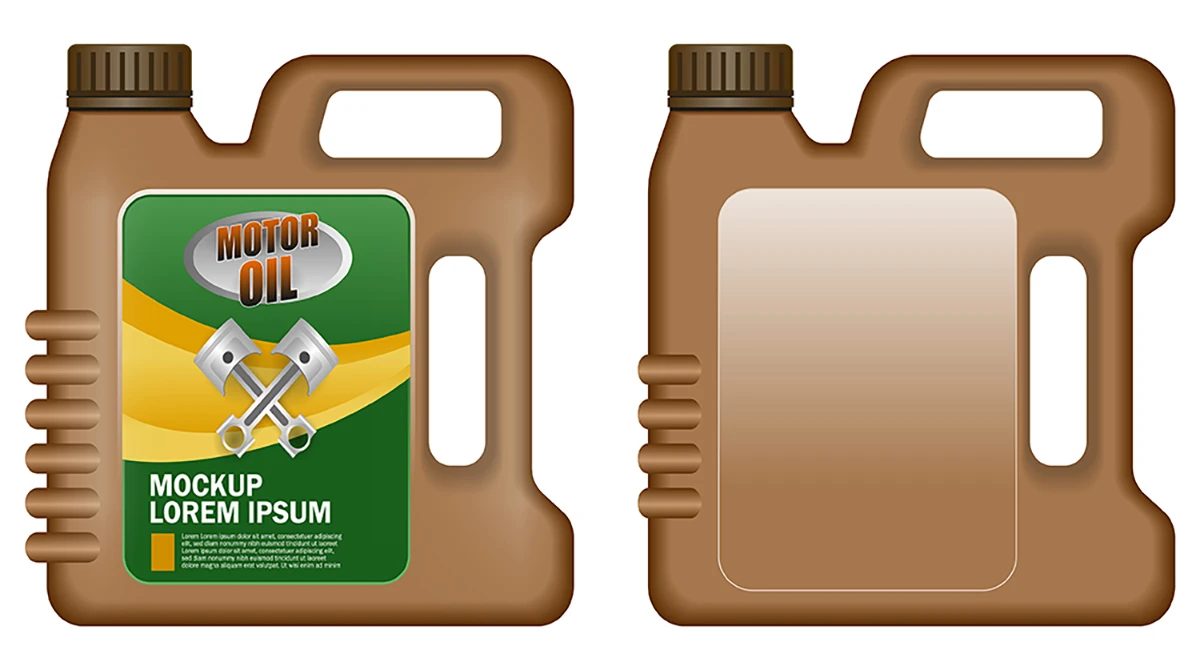
The Role of Labels in High-Performance Lubricant Packaging
Effective lubricant packaging goes beyond protecting the product, it helps communicate essential information, strengthen brand identity, and improve customer confidence. High-quality lubricant labels display product specifications, safety instructions, batch details, and usage information clearly throughout the product lifecycle.
For engine oils, hydraulic fluids, greases, and other industrial lubricants, heat transfer labels provide a seamless, durable decoration that resists wear while maintaining a premium appearance. Reliable labeling helps manufacturers enhance packaging quality and ensure consistent product identification across the supply chain.
Packaging Conditions That Lubricant Labels Must Withstand
Lubricants are often stored, transported, and used in environments where packaging is exposed to challenging conditions. To maintain product integrity and professional branding, lubricant labels must withstand far more than everyday handling.
Oil & Grease Exposure
Lubricant containers frequently come into contact with engine oils, greases, and other petroleum-based products. Labels should resist staining and maintain excellent print clarity even after repeated handling.
Chemical Contact
Industrial lubricants and automotive fluids may contain additives and chemicals that can affect ordinary labels. High-quality labeling solutions help preserve graphics, safety information, and branding despite chemical exposure.
Moisture and Humidity
Warehouses, workshops, and transportation conditions often expose lubricant packaging to varying humidity levels. Durable labels should resist moisture without peeling, bubbling, or losing adhesion.
Abrasion During Transportation
Lubricant containers are stacked, moved, and transported over long distances. Scratch-resistant labels help maintain a professional appearance and keep important product information readable throughout the distribution process.
Temperature Variations
From hot industrial environments to cold storage conditions, lubricant packaging must perform consistently across a wide temperature range. Labels should remain securely bonded to HDPE and polypropylene containers without cracking or lifting.
Why Durable Lubricant Labels Matter for Product Safety and Brand Identity
Durable lubricant labels help ensure that product grades, safety instructions, hazard warnings, and batch information remain clear throughout the product’s lifecycle. This supports safe product identification while reducing the risk of misapplication.
Consistent, high-quality labels also enhance brand recognition by maintaining sharp graphics, vibrant colours, and a professional appearance across different lubricant packaging formats. For manufacturers, investing in reliable labeling solutions helps protect both product integrity and brand reputation.
Frequently Asked Questions
Will heat transfer labels work on lubricant pails exposed to oil and grease?
Yes. Since heat transfer labels become part of the container surface, they are not affected by oil exposure in the same way as adhesive labels.
Are heat transfer labels durable enough for heavy handling environments?
Yes. Heat transfer labels offer good resistance to scuffing and routine handling common in lubricant packaging.
Can we test labels before moving to full production?
Yes. Samples are typically developed and approved to validate appearance, transfer quality, and durability before bulk production.
Will the label peel or lift over time?
When applied correctly on suitable plastic pails, heat transfer labels do not peel or lift like conventional labels.
Looking to Use Heat Transfer Labels for Lubricant Pails?
Contact Ideal Wrappers to discuss your lubricant pail details, labeling requirements, and sampling options.